Skip to content
IOLS Directory
IOLS Directoty
HOME
LENSES
GADGETS
AXIS MARKERS
AUTOMATED CAPSULORHEXIS
CAPSULAR SUPPORTING DEVICES AND HOOKS
FEMTO-SECOND LASER
INSTRUMENTS
IRIS PROSTHESIS
IRIS/IOL COMBINATION
INTRASURGICAL ABERROMETRY
OTHER
PHACOEMULSIFICATION MACHINES
PUPIL DILATION
VISABILITY ENHANCERS
VISCOELASTICS
MANUFACTURERS
ALCON
BAUSCH & LOMB
BIOTECH
Carl Zeiss Meditec
Lorem ipsum dolor sit amet, consectetur adipisicing elit, sed do eiusmod tempor incididunt ut labore et dolore magna aliqua. Ut enim ad minim veniam, quis nostrud exercitation ullamco laboris nisi ut aliquip ex ea commodo consequat. Tel: +004 111 1111 111 Website
Cristalens
Hoya
HumanOptics
Johnson & Johnson
Medicem
Morcher
oculentis
OPHTEC
Physiol
Rayner
Swiss Advanced Vision
TEKIA
VIDEOS & TUTORIALS
CALCULATIONS/SIMULATIONS
CONTACT
Search:
HOME
LENSES
GADGETS
AXIS MARKERS
AUTOMATED CAPSULORHEXIS
CAPSULAR SUPPORTING DEVICES AND HOOKS
FEMTO-SECOND LASER
INSTRUMENTS
IRIS PROSTHESIS
IRIS/IOL COMBINATION
INTRASURGICAL ABERROMETRY
OTHER
PHACOEMULSIFICATION MACHINES
PUPIL DILATION
VISABILITY ENHANCERS
VISCOELASTICS
MANUFACTURERS
ALCON
BAUSCH & LOMB
BIOTECH
Carl Zeiss Meditec
Lorem ipsum dolor sit amet, consectetur adipisicing elit, sed do eiusmod tempor incididunt ut labore et dolore magna aliqua. Ut enim ad minim veniam, quis nostrud exercitation ullamco laboris nisi ut aliquip ex ea commodo consequat. Tel: +004 111 1111 111 Website
Cristalens
Hoya
HumanOptics
Johnson & Johnson
Medicem
Morcher
oculentis
OPHTEC
Physiol
Rayner
Swiss Advanced Vision
TEKIA
VIDEOS & TUTORIALS
CALCULATIONS/SIMULATIONS
CONTACT
Low Vision IOLS
You are here:
Home
Product Low Vision
Low Vision IOLS
Showing all 8 results
Default sorting
Sort by popularity
Sort by average rating
Sort by latest
Sort by price: low to high
Sort by price: high to low
1stQ AddOn SML
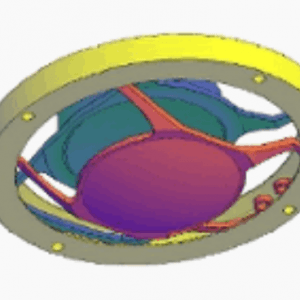
Eye Max Mono for AMD (Care Group)
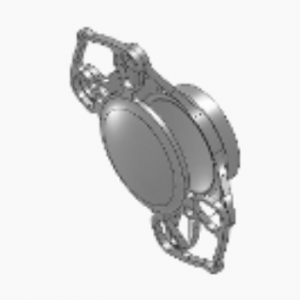
Implantable Telescopic IOL (VisionCare Inc)
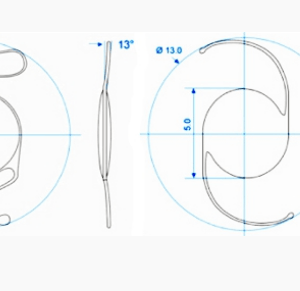
IOL-K (LenSpecial)
IOL-VIP Revolution Acrylic (LenSpecial)
IOL-VIP Revolution Classic (LenSpecial)
IOL-VIP Revolution one Piece PMMA (LenSpecial)
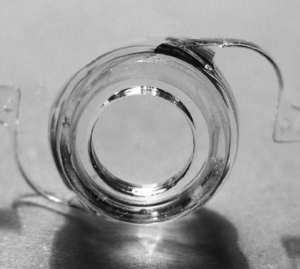
Nulens Dynacurve IOL (Nulens ltd)
Go to Top
We use cookies to ensure that we give you the best experience on our website. If you continue to use this site we will assume that you are happy with it.
Ok